
Lansing’s food scene has transformed in the last year. Has the city reached a real food tipping point?
Recent Posts
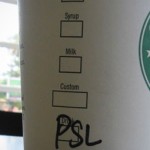
How Starbucks puts the pumpkin spice into its Pumpkin Spice Latte
Starbucks doesn’t advertise the ingredients in their latte syrups, but if you email them they’ll tell you. I wanted to know what’s in their Pumpin Spice Latte.
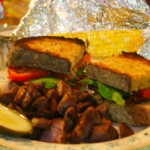
Friday dinner: Homemade BLT
The sandwich consists of toasted Zingerman’s roadhouse bread, tomatoes, lettuce, bacon, and dijon mustard. Served with roasted blue potatoes, seasoned sweet corn, and McClure’s pickles.

Why is corn bad?
Someday the entire planet may be eating foodlike substances derived from the vast cornfields of America’s heartland, but it is a future that can only only occur through the annihilation of food cultures.
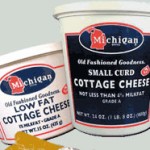
Watch out for artificial flavoring in cottage cheese
I slipped up last year. On cottage cheese.
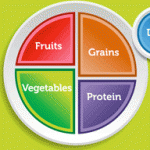
Real food plus USDA’s MyPlate
MyPlate doesn’t distinguish between fresh, whole foods and processed, preservative-happy foodlike substances. How can real foodies reconcile their emphasis on natural ingredients with the USDA’s recommendations?
Examining Perdue’s ‘better chicken’ claim
Recently, Perdue launched a new marketing campaign: “We believe in a better chicken.” The slogan implies that Perdue gives its birds a better quality of life than competitors.

Want to reduce your carbon footprint? Eat less meat
If you’re trying to reduce your carbon footprint, the takeaway is clear — eating less meat is more effective than eating local. I suggest you try both.
About ERF
This is a different kind of food blog. Think of us as community of food epistemologists. We talk about what we eat and relate it toward an ever-evolving theory of eating.
Did NASA make this?
Everything you need to know about organic food
Friends
